

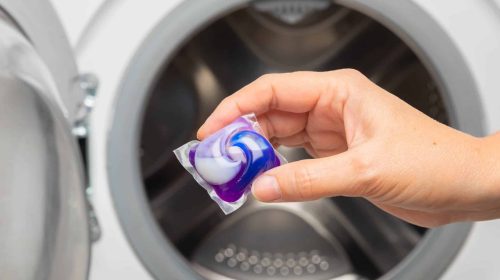
Laundry pods have revolutionized the detergent industry by offering convenience, precision, and ease of use for consumers. Behind every high-quality pod is a sophisticated machine designed to handle multiple production processes efficiently. A laundry pod making machine is not just a single device; it is an integrated system composed of several key components that work together to ensure consistent quality, accurate dosing, and reliable production. Understanding these components helps manufacturers optimize operations and maintain product standards.
Film Feed System
The first critical component of a Laundry Pod Making Machine is the film feed system. Laundry pods are typically encased in a water-soluble film, most commonly made of polyvinyl alcohol (PVA). The film feed system unwinds this material from rolls and guides it into the machine. Maintaining proper tension and alignment is essential, as any wrinkling or tearing of the film can lead to defective pods.
This system often includes rollers, tension controllers, and guiding mechanisms to ensure smooth operation. Some advanced machines also feature automated film monitoring, which detects inconsistencies in thickness or texture, preventing errors before they impact the final product. A reliable film feed system forms the foundation for accurate filling, sealing, and cutting of pods.
Dosing Unit
The dosing unit is responsible for accurately measuring and depositing detergent into each pod. This component is essential because the effectiveness of laundry pods depends on precise detergent quantities. The dosing system can vary depending on the type of detergent being used—liquid, powder, or gel. Common dosing mechanisms include volumetric pumps, piston fillers, and auger systems, each designed to handle specific viscosities and flow rates.
Proper calibration of the dosing unit ensures that every pod contains the same amount of detergent, maintaining consistency across large production batches. Incorrect dosing can result in pods that are either underfilled, reducing cleaning efficiency, or overfilled, leading to leakage and production waste.
Sealing Mechanism
After the detergent is accurately placed in the pod cavity, the sealing mechanism secures the water-soluble film around the detergent. Sealing is a critical step, as it prevents leakage and ensures the pods retain their shape during storage and transport. The two most common sealing technologies are heat sealing and ultrasonic sealing. Heat sealing uses controlled temperatures to bond the film edges together, while ultrasonic sealing employs high-frequency vibrations to create a secure closure without heat.
A well-functioning sealing mechanism contributes to product durability and consumer safety. It ensures that pods remain intact until they are used, providing the convenience and reliability that customers expect.
Cutting Device
The cutting device is responsible for separating individual pods from the continuous strip of sealed film. Precision is key in this process, as improper cutting can damage the pods or create uneven edges. Most machines use mechanical knives or rotary cutters to achieve clean, uniform cuts.
Some advanced machines integrate sensors to detect alignment issues and adjust the cutting process automatically. This minimizes waste and maintains uniformity in pod size and shape. Proper cutting ensures that each pod is ready for packaging without the need for additional handling or trimming.
Control System
Modern laundry pod making machines include an advanced control system that coordinates all components. This system typically features a programmable logic controller (PLC) and a human-machine interface (HMI). The PLC controls the timing, speed, and operation of the film feed, dosing, sealing, and cutting units, while the HMI allows operators to monitor performance, adjust parameters, and troubleshoot issues.
The control system enhances operational efficiency and ensures consistent quality, even in high-volume production environments. It also provides data logging capabilities, allowing manufacturers to track production metrics and optimize processes over time.
Auxiliary Systems
In addition to the main components, a laundry pod making machine may include auxiliary systems such as cleaning units, film sensors, and temperature controllers. These systems support the primary components, ensuring smooth operation and reducing downtime. Cleaning systems prevent clogging in the dosing unit, sensors detect film defects or misalignment, and temperature controllers maintain optimal conditions for sealing.
These auxiliary systems enhance the reliability and longevity of the machine, contributing to lower maintenance costs and higher productivity.
Conclusion
A laundry pod making machine is a complex assembly of interconnected components that work together to produce high-quality detergent pods efficiently. From the film feed system to the dosing unit, sealing mechanism, cutting device, and control system, each component plays a vital role in ensuring consistent quality, precision, and reliability. Auxiliary systems further support smooth operation and reduce the risk of production errors.
For manufacturers looking to optimize pod production and maintain high standards, investing in a modern Laundry Pod Making Machine is essential. Understanding the key components and their functions allows businesses to streamline operations, minimize waste, and consistently deliver a superior product to consumers.


